
Introduction
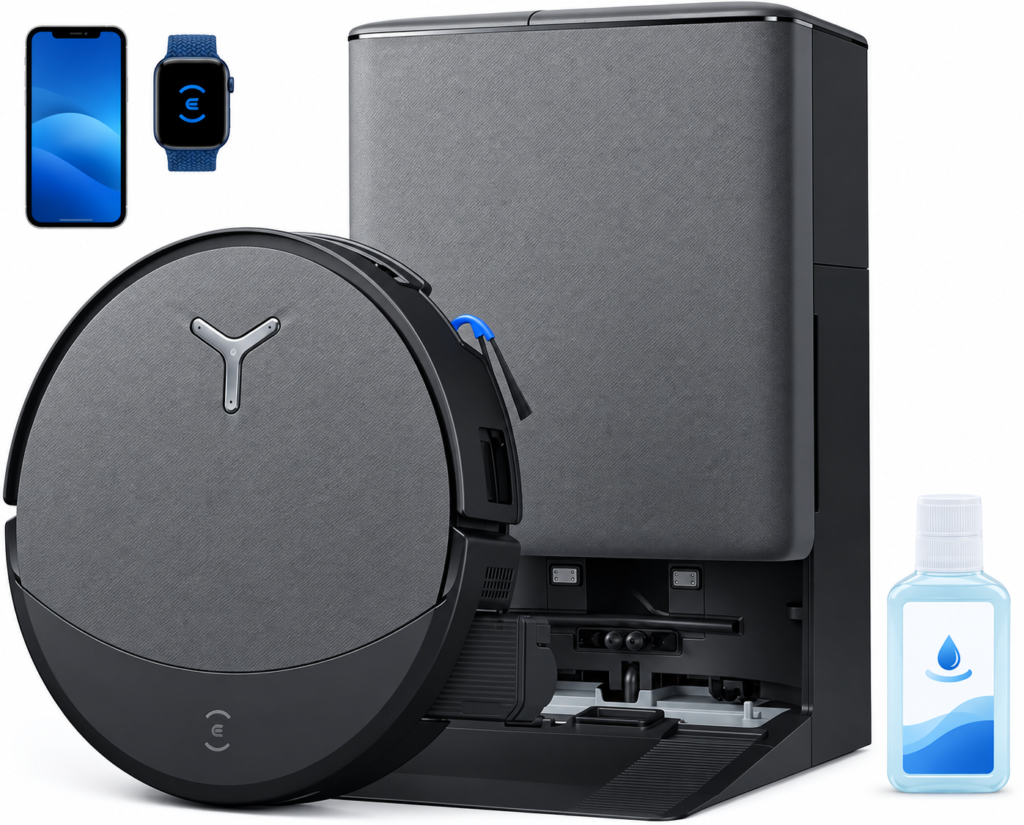
The landscape of home cleaning has shifted dramatically over the past decade. What once seemed like science fiction—a machine that could autonomously navigate your home, vacuum floors, and clean surfaces without human intervention—is now an established reality. The ECOVACS DEEBOT T90 PRO Omni represents a significant entry point in the premium end of this category, combining multiple cleaning functions within a single integrated system.
This article explores what this device does, how it works, and whether the technology might fit into your household routines. Rather than making definitive claims about whether this is “the best” option available, we’ll examine its features, capabilities, and practical applications so you can better understand what to expect from this class of cleaning technology.
What Makes Multi-Function Robot Cleaners Different
Before diving into the specifics of the T90 PRO Omni, it helps to understand how these devices differ from traditional cleaning approaches. Traditional robot vacuums perform a single function—they move across your floors and collect dust and debris through suction. More advanced models add mopping capabilities, either through separate tanks or integrated systems.
The distinction with products like the DEEBOT T90 PRO Omni lies in their “omni” design approach. Rather than simply being a robot that vacuums and mops, these systems include a docking station that serves multiple purposes: collecting dust from the robot’s bin, washing mop pads automatically, and preparing the robot for its next cleaning cycle. This integrated ecosystem approach reduces the manual labor involved in maintenance between cleaning sessions.
The suction power specification—in this case, 30000Pa (Pascal, a unit of pressure)—indicates the force the device generates when pulling air through the cleaning path. For context, this represents a significant specification in the robot vacuum category, particularly for models designed to handle both hard floors and carpeted areas.
Key Features and Technical Specifications
Suction Performance and Cleaning Power
The 30000Pa specification places this device in the higher tier of robot vacuum suction capabilities. To put this in perspective, most standard robot vacuums operate between 2000-4000Pa, while mid-range models typically fall between 4000-8000Pa. The higher the Pascal rating, the stronger the suction force, which theoretically allows the device to capture smaller particles and handle different floor types more effectively.
What this means practically is that the device should handle both hard floors and carpet with relatively consistent performance. Pet hair, dust, and small debris across multiple floor types typically benefit from higher suction power, though real-world performance depends on many factors including navigation patterns, brush design, and filter efficiency.
Omni Docking Station
The docking station component represents a substantial part of what makes this system distinct. Rather than requiring you to manually empty the robot’s dust bin after each cleaning cycle, the omni station automatically extracts dust into a larger collection container. This reduces the frequency of manual maintenance and, theoretically, minimizes repeated exposure to dust particles.
For the mopping component, the station includes functionality to wash mop pads automatically. Rather than allowing pads to dry with accumulated dirt between uses, the system rinses them with clean water. The station also stores the cleaning solution for mop applications, integrating the resupply process into the dock.
Mapping and Navigation Technology
The T90 PRO Omni utilizes advanced navigation systems to build and maintain maps of your home. This technology allows the robot to remember room layouts, establish cleaning patterns, and determine efficient routes through your spaces. Users typically interact with this through a mobile app that shows real-time mapping data and allows for zone-based cleaning assignments.
The navigation system determines which areas the robot has cleaned, helps it avoid obstacles, and enables it to return to the charging dock when needed. Modern robot vacuums use various technologies for this purpose, including LiDAR (light-based detection), computer vision, and sensor arrays.
Smart Home Integration
The device connects to your home’s network and supports integration with major smart home platforms. This allows for features like scheduling cleanings based on your calendar, integrating cleaning tasks into broader home automation routines, and monitoring cleaning status remotely from your smartphone.
Mopping and Water Management
The mopping system uses a wet pad that the robot draws across hard floors. The effectiveness of mopping depends on several factors: the amount of water supplied, the pressure applied, the pad material, and the drying pattern of the water across the floor surface. The T90 PRO Omni includes separate water tanks for clean and dirty water management, allowing the system to operate without mixing soiled water back onto floors.
How These Systems Are Typically Used
Understanding typical use patterns provides helpful context for whether this technology aligns with your household needs.
Daily and Scheduled Cleaning
Most owners implement robot vacuum systems as scheduled cleaning tools that run on a regular basis—often daily or several times weekly. By running during times when the home is empty, these devices can maintain baseline cleanliness without interfering with household activities. The combination of vacuuming and mopping in one device means a single robot can address both floor types without requiring separate machines.
Targeted Cleaning
Beyond scheduling, many systems allow for targeted cleaning of specific rooms or zones. Rather than running a full-home cleaning cycle, you might send the robot to handle your kitchen area after meal preparation, or clean just your entryway where outdoor dirt accumulates. The mapping technology enables this level of control through app interfaces.
High-Traffic Area Management
Properties with multiple people moving through certain areas throughout the day can benefit from robots designed to manage these high-traffic zones consistently. Rather than relying on weekly deep cleaning, the device maintains cleanliness through regular light cleaning, preventing excessive dirt accumulation.
Pet-Friendly Households
Households with pets face particular cleaning challenges—shedding hair, tracked-in dirt, and potential accidents. The suction capability of the T90 PRO Omni can address hair management better than lower-powered alternatives, though no robot vacuum completely eliminates the need for occasional manual cleaning in pet households.
Accessibility and Mobility Challenges
For individuals with mobility limitations, chronic pain, or accessibility challenges, robot vacuum systems can significantly reduce the physical demand of home maintenance. The ability to initiate cleaning through app controls or voice commands means cleaning can occur without requiring the user to operate traditional equipment.
Who May Find This Technology Valuable
The adoption of robot vacuum and mop systems makes sense within specific household contexts.
Multi-Level Homes with Multiple Hard Floors: While not every home benefits equally from this technology, those with significant hard flooring—kitchens, bathrooms, entryways, and living areas—see more practical benefit from combined vacuuming and mopping in a single device. Homes with primarily carpeted spaces may see less obvious advantage, as the mopping function would apply only to specific areas.
Households with Regular Occupancy: Robots work most effectively when they can operate on predictable schedules. Homes where people maintain consistent routines allow the device to integrate cleanly into daily life. Conversely, highly unpredictable schedules or homes where the layout changes frequently might present more integration challenges.
Larger Floor Plans: The value proposition for these devices typically improves with floor size. Smaller apartments might see limited time savings compared to manual cleaning, while larger homes benefit more from the automated coverage.
Households Seeking Maintenance Rather Than Deep Cleaning: Robot cleaners excel at regular maintenance—preventing dirt accumulation between deeper cleanings. They work less effectively as complete replacements for occasional thorough cleaning. Realistic expectations involve these devices as supplements to, not replacements for, periodic deep cleaning.
Individuals with Allergies or Sensitivities: The reduced manual dust exposure from automatic bin emptying and contained dust collection can be beneficial for those with dust allergies or respiratory sensitivities. The automated mop washing also reduces contact with potentially irritating dirty water.
Practical Considerations for Implementation
Understanding real-world considerations helps set realistic expectations.
Space Preparation Requirements
Robot vacuums and mop systems require relatively clear floor space to operate effectively. Items left on floors, toys, cords, and clutter can obstruct the robot or create safety hazards. Most households need to implement at least some basic tidying before running cycles—picking up toys, securing cords, and moving small furniture items.
The docking station itself requires dedicated floor space. Unlike traditional vacuum storage in a closet, the omni dock occupies permanent space in your home. Planning for this physical footprint is part of implementation.
Maintenance Demands
While significantly reducing manual cleaning labor, robot systems require ongoing maintenance. Brush cleaning, filter changes, and occasional jam clearing represent regular tasks. The water tanks in the mopping system need to be refilled with clean water and emptied of dirty water. Some users report that maintenance demands, while lower than traditional cleaning, still require consistent attention.
Floor Suitability
These devices work optimally on certain floor types and less effectively on others. Hard floors—tile, laminate, vinyl, and sealed hardwood—represent ideal surfaces for both vacuuming and mopping functions. Thick carpeting can reduce suction efficiency and complicates mopping integration. Uneven floor transitions and raised thresholds can sometimes challenge navigation.
Obstacle Navigation
Modern robot vacuums have improved significantly in obstacle detection and avoidance. However, they don’t navigate perfectly around all household items. Low-lying objects, small toys, and decorative items can still cause issues. Learning the device’s specific behaviors helps in managing the home environment appropriately.
Initial App Setup and Configuration
Getting these systems operational requires smartphone app setup, home network connection, and initial mapping of your space. The process typically involves downloading the manufacturer’s app, creating an account, connecting the device to your WiFi network, and allowing the robot to build a map of your home. For individuals comfortable with basic app usage, this rarely presents significant barriers. For those less familiar with smart device setup, this initial process can present challenges.
Understanding Suction Power in Context
The 30000Pa specification warrants deeper examination, as suction power alone doesn’t determine cleaning effectiveness.
Suction power combines with other factors to determine actual cleaning performance. Brush design, for instance, affects how debris is loosened and directed toward the suction path. Filter efficiency determines what percentage of particles actually get captured versus recirculating into your home. Navigation patterns affect how thoroughly the robot covers your floors.
Different floor types and debris types respond differently to suction levels. High suction proves particularly valuable for:
- Long pet hair and human hair removal from hard floors
- Fine dust capture from various surfaces
- Carpet surface cleaning
- Heavy debris in high-traffic areas
However, extremely high suction can sometimes create challenges, such as potential difficulty with lightweight debris that gets stuck in the suction path, or excessive noise during operation.
The 30000Pa specification places this device in a capable category for handling typical household debris across floor types, though it’s not the highest specification available in the market. Some premium models exceed this rating, while many well-performing devices operate at lower pressures with different design approaches.
Comparing Different Cleaning Approaches
When considering a system like the DEEBOT T90 PRO Omni, it helps to understand how this approach compares to alternative strategies, without dismissing other valid options.
Robot Vacuum Only (No Mopping)
Standalone robot vacuums that don’t include mopping capability typically offer lower price points and simpler maintenance. For households with primarily carpeted spaces or limited hard flooring, a robot vacuum alone might adequately address cleaning needs. This approach eliminates the water management complexity of mopping systems.
Separate Robots for Different Functions
Some households use a dedicated robot vacuum for carpeting and a separate robot mop for hard floors. This approach allows optimization of each machine for its specific function but requires managing two separate devices, docking stations, and systems. For large homes with distinct floor zones, this strategy might provide superior performance compared to combination units.
Traditional Manual Cleaning
Conventional cleaning using upright vacuums and manual mopping represents the traditional approach. This method allows for complete control over cleaning intensity and customization but requires significant physical labor and time commitment. For individuals able to perform these tasks readily, manual approaches avoid the need for technology investment.
Professional Cleaning Services
Some households opt for professional cleaning services rather than managing cleaning themselves. Robot systems work well for maintaining between professional cleanings but don’t replace them entirely for comprehensive cleaning tasks.
Combination Approaches
Many households use robot systems combined with occasional manual deep cleaning or supplement robot vacuums with traditional equipment for specific challenges. This hybrid approach often represents the most practical solution for diverse household needs.
Frequently Asked Questions
How long does the initial mapping process take?
The first cleaning cycle usually takes longer than subsequent runs, as the device navigates your space and builds its map. Most users report this initial cycle takes between one and three hours, depending on home size. Subsequent cleaning cycles typically run faster once mapping is complete.
What happens if the robot gets stuck?
Modern robot vacuums have improved significantly in preventing getting stuck, but occasional entanglement can still occur. Hair, cords, or low-hanging fabric can sometimes catch the brushes or wheels. The device usually alerts the user through the app when this happens, allowing for prompt intervention.
How often do water tanks need refilling?
The frequency depends on the size of the water tanks and the extent of mopped area. Typical usage might require refilling the clean water tank after one or two cleaning cycles, though this varies with tank capacity and your specific mopping preferences.
Can the robot handle stairs?
Robot vacuums cannot climb stairs due to their low profile. They can only clean spaces on a single floor level or connected open floor plans. Multi-story homes would require the robot to be manually moved between levels or the use of separate systems for different floors.
How does the device handle different room types?
Once mapping is complete, users can designate specific rooms or zones within the map through the app. You can set different cleaning parameters for different areas—perhaps mopping only in your kitchen while vacuuming throughout the home. This level of customization allows the system to adapt to your specific space.
What happens during power outages?
Robot cleaning systems require electricity to function. Extended power outages prevent operation until power is restored. The device will return to its dock if it’s running when power is lost.
How does the system handle pet accidents?
Robot vacuums can handle wet debris, but substantial liquid should be cleaned manually first. The mop system isn’t designed for deep wet cleaning of accidents. Most users prefer manual cleanup of significant pet accidents before running the robot.
Can the device operate when someone is home?
Yes, robots can operate while people are present. However, many users prefer running them during times when the home is empty to avoid navigating around people. The device operates independently without requiring supervision.
What is the typical battery life?
Battery capacity in these systems typically allows for 1-2 hour run times, depending on your home size and suction settings. The robot returns to the dock to recharge when needed. Homes larger than 2000-3000 square feet might require the robot to recharge and resume cleaning in multiple sessions.
Conclusion
The ECOVACS DEEBOT T90 PRO Omni represents a particular category of cleaning technology—an integrated robot vacuum and mop system with a supporting omni dock that automates dust collection and mop maintenance. Understanding what this device does well, what constraints exist, and whether the technology aligns with your household situation matters far more than general categorical judgments.
The 30000Pa suction power indicates a device capable of handling various floor types and debris loads effectively. The combination of vacuuming and mopping functions within a single unit simplifies multi-floor-type cleaning. The omni dock approach reduces the frequency of manual maintenance compared to standalone robots.
However, this technology works best within specific contexts: homes with multiple hard floor surfaces, households comfortable with smart device setup and app interaction, spaces where robot operation can be scheduled around household routines, and situations where the device complements rather than replaces other cleaning approaches.
Whether this specific model addresses your household needs depends on your space layout, your floor types, your routine patterns, and your expectations for what automated cleaning can accomplish. Realistic implementation recognizes both the genuine convenience benefits these systems offer and their actual limitations.
For those interested in exploring this specific model further, examining detailed product information, comparing specifications with other available options, and reading actual user experiences can help inform your decision-making process.
