
Introduction
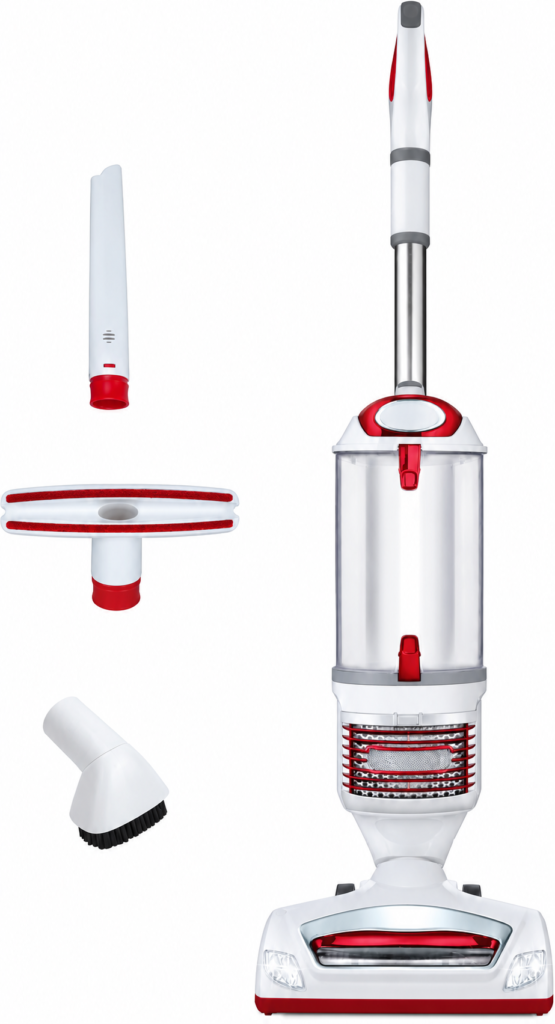
The upright vacuum has remained a household staple for decades, proven through generations of use as an effective tool for maintaining clean floors throughout homes. While vacuum technology continues to evolve, the fundamental principle persists—a motorized brush and suction system that lifts dust, debris, and dirt from floor surfaces. The Shark Rotator Lift-Away Upright Vacuum with HEPA filter represents a particular approach within this established category, combining traditional upright effectiveness with a removable canister design that extends the vacuum’s versatility.
This article explores how this device functions, what the lift-away design accomplishes, what the HEPA filtration actually addresses, and the practical contexts where this particular model might integrate into household cleaning routines. Rather than declaring whether this represents an objectively superior choice, we’ll examine its features, capabilities, and real-world applications so you can determine whether the approach matches your home’s needs and your cleaning preferences.
Understanding Upright Vacuum Design
Before examining the Shark Rotator specifically, understanding upright vacuum fundamentals provides helpful context.
Upright vacuums combine suction, brush action, and dirt collection into a unified frame that stands vertically when not in use. The operator pushes the machine across floor surfaces, where rotating brushes at the base loosen debris and direct it toward the suction path. The loosened particles travel through the collection system and accumulate in a dust bin or bag.
This design has persisted because it works effectively across various floor types, allows one-handed operation for many tasks, and generally provides good suction force without requiring the physical exertion that brooms and dustpans demand. The upright approach differs fundamentally from canister vacuums, which use a wheeled base that travels across floors while the operator holds a connected hose and cleaning head.
The lift-away feature, introduced to various vacuum designs in recent decades, represents a variation that increases the traditional upright’s versatility. Rather than the canister and motor being permanently attached to the base unit, the lift-away design allows the canister section to detach, creating a handheld vacuum independent of the upright base.
Key Features and Design Elements
The Lift-Away Canister System
The defining characteristic of the Shark Rotator is the ability to separate the main canister from the wheeled base unit. This detachment creates two distinct cleaning tools from one machine—an upright unit that remains connected to the base for floor cleaning, and an independent handheld unit.
The practical value of this design lies in extending the vacuum to areas the base unit cannot efficiently reach. Stairs present an obvious example—the wheeled base designed for horizontal floor travel doesn’t navigate steps easily, but the separated canister with hose attachment can reach each stair individually. Furniture upholstery, vehicle interiors, ceiling corners, and other above-floor surfaces become accessible with the handheld configuration.
The mechanical connection between the canister and base must be reliable enough that repeated attachment and detachment over years of use doesn’t compromise function. The design also requires that the canister retains proper suction even when disconnected from the base, meaning the motor and power transfer must be engineered accordingly.
HEPA Filtration
HEPA stands for “High-Efficiency Particulate Air.” A true HEPA filter captures 99.97% of particles 0.3 microns or larger. For context, typical household dust particles measure in the 1-100 micron range, making HEPA filters highly effective at capturing most airborne particles that vacuums remove from floors.
The filtration system matters because vacuums inherently stir up dust and small particles during operation. As debris enters the collection system, some of the finest particles might otherwise escape back into the air while the bulk material collects in the bin. A HEPA filter intercepts these escape particles, preventing them from recirculating into your home’s air.
This becomes particularly relevant for people with allergies, asthma, or dust sensitivities. Allergic reactions often result from dust mites and their waste products, pet dander, and fine dust particles. HEPA filtration reduces the quantity of these particles that re-enter the air during vacuuming.
The effectiveness of HEPA filtration depends on filter maintenance. As filters accumulate dust, they become partially clogged, reducing suction efficiency and eventually compromising their ability to filter effectively. Regular filter cleaning and periodic replacement are necessary to maintain the system’s benefits.
Brush and Suction System
The Shark Rotator uses a motorized brush roll designed to agitate floor surfaces and lift debris toward the suction path. Brush design has evolved significantly—modern brushes perform differently on carpet versus hard floors, with many designs attempting to work adequately across both surface types.
The suction capability of upright vacuums varies by model. Power is determined by the motor strength and the efficiency of the air pathway from the brush head through the collection system to the motor intake. Blockages, filter clogs, and design inefficiencies all reduce actual suction regardless of what the motor theoretically generates.
Understanding that suction is dynamic rather than constant proves important. A vacuum with excellent suction on empty floors might perform differently when the collection bin is partially full, the filter is dusty, or the hose is partially obstructed.
Dust Collection and Emptying
The Shark Rotator uses a bagless system with a removable canister that collects dust and debris. Bagless designs eliminate the need to purchase and dispose of replacement bags, instead requiring the operator to empty the canister when full.
Emptying a bagless canister means disposing of accumulated debris directly—removing the bin, holding it over a trash container, and dumping the contents. For people with dust allergies, this direct contact with accumulated dust can trigger reactions. Some newer bagless designs attempt to minimize this exposure through one-button emptying mechanisms, but exposure still occurs to a degree.
Bagless systems require more frequent emptying compared to bag-based systems, which hold significantly more debris before reaching capacity. This becomes relevant for households with large floor areas or high accumulation of debris.
Accessories and Attachments
The Shark Rotator typically includes various attachments designed for specific cleaning tasks. Common accessories include crevice tools for narrow spaces, upholstery brushes for furniture cleaning, and extension wands for reaching ceiling corners and high areas.
The quality and effectiveness of these accessories significantly impacts the vacuum’s versatility. Poorly designed attachments that don’t connect securely or create weak suction aren’t particularly useful regardless of their inclusion. Understanding how the specific accessories suit your anticipated cleaning needs is practical consideration.
Weight and Maneuverability
Upright vacuums require physical effort to push across floors. Weight distribution and handle design affect how easy or difficult this task becomes. Heavier machines require more physical exertion to operate, which becomes significant during extended cleaning sessions or for individuals with limited strength.
The lift-away design adds complexity to weight distribution. The separated handheld canister must be light enough to operate comfortably with one hand, but the complete upright configuration includes the weight of both the base and canister together.
How Lift-Away Upright Vacuums Function in Practice
Understanding typical usage patterns helps clarify how this vacuum design integrates into household cleaning.
Floor Cleaning Operations
During standard floor cleaning with the canister attached to the base, the vacuum functions as a traditional upright. The operator pushes the machine in an intended pattern across floor surfaces, typically with overlapping passes to ensure complete coverage. The brush roll loosens debris, the suction captures it, and the collection bin accumulates debris until emptiness signals the need for bin emptying.
The lift-away feature remains unused during floor cleaning but available if the operator encounters stairs or wants to quickly clean above-floor surfaces within the same cleaning session.
Stair Cleaning with Lift-Away Function
Stairs present particular challenges for upright vacuums. The wheeled base and handle angle make maneuvering stairs awkward or impossible, forcing traditional upright users to switch to a different tool or carefully position the machine while holding it at angles that place strain on the operator’s back and arms.
With the lift-away feature, the operator detaches the canister, leaving the base unit aside, and proceeds up stairs with the independent handheld unit. Each step can be cleaned individually with minimal awkwardness. Once stairs are complete, the operator returns to the base unit for standard floor cleaning, or carries the handheld unit to other above-floor cleaning tasks.
Upholstery and Furniture Cleaning
Furniture upholstery, cushions, and decorative pieces accumulate dust and debris. The handheld configuration with upholstery attachments allows cleaning these surfaces directly. The operator positions themselves in front of the furniture and works the attachment across the surface area.
The suction pull depends on the powered hose design—some lift-away systems maintain full suction in the handheld configuration, while others experience reduced suction. The mechanical design of how the canister connects to both the base and the hose determines this characteristic.
Vehicle Interior Cleaning
Vehicle interiors—seats, carpeted areas, door panels—benefit from vacuum attention, particularly in households with children or pets. The handheld configuration extends more easily into vehicle spaces than an upright base unit would. Operationally, the owner carries the detached canister to the vehicle and uses attachments to clean various surfaces.
Tight Spaces and Crevices
Corners, crevices, under furniture, and narrow spaces throughout homes accumulate dust and debris. The detached canister with a thin crevice tool attachment reaches these spaces more effectively than an upright base unit would. This functionality particularly benefits homes with built-in furniture, tight corner spaces, or considerable dust accumulation areas.
Multi-Surface Cleaning Flexibility
Homes with mixed floor types—carpet in some areas, hard floors elsewhere—present challenges for cleaning tools. The handheld lift-away function allows the operator to clean each surface type appropriately. In carpeted areas, the full upright with brush engagement works effectively. In hard-floor areas, the operator can detach the canister and use attachments without the base unit’s brush potentially causing damage to hard surfaces.
Who May Find This Design Approach Suitable
Understanding appropriate use contexts helps clarify whether this particular approach aligns with specific household situations.
Multi-Level Homes with Stairs: Households where stairs represent significant cleaning responsibility particularly benefit from the lift-away feature. Regular stair cleaning becomes less physically demanding and more thoroughly accomplished with the handheld configuration. Homes with multiple stairways see even more pronounced benefits.
People with Limited Mobility or Strength: The ability to address stairs and above-floor surfaces without struggling with a full upright unit makes homes with lift-away vacuums more manageable for individuals with back problems, limited strength, or mobility challenges. The separation of tasks into smaller, more manageable components reduces physical strain.
Households with Multiple Floor Levels: Beyond stairs, homes with different room levels, landings, and split-level configurations benefit from the flexibility of both upright and handheld cleaning modes. The operator transitions between modes based on the current surface location.
Pet Owners: Households with shedding pets face significant hair accumulation on furniture, car interiors, and stairs in addition to floors. The lift-away configuration addresses hair on multiple surfaces more effectively than a single floor-focused tool alone.
Homes with Considerable Upholstered Furniture: Sofas, chairs, cushioned sectionals, and other substantial upholstered pieces benefit from regular cleaning attention. The lift-away handheld mode with upholstery attachments addresses these surfaces conveniently.
Vehicle Owners Who Clean Their Own Interiors: People maintaining multiple vehicles or regularly cleaning vehicle interiors appreciate the convenience of a handheld attachment that extends to car cleaning without requiring a separate tool.
Allergy and Asthma Sufferers: The HEPA filtration addresses particles that trigger allergic reactions and asthma symptoms. While HEPA filtration requires maintenance to remain effective, it provides genuine benefit compared to vacuums without this filtration level.
Households with Dust Sensitivities: Independent of diagnosed allergies, some people notice respiratory or comfort issues with dust exposure. HEPA filtration reduces the particles re-entering air during vacuuming, potentially improving comfort.
People Prioritizing Flexibility and Versatility: Beyond functional requirements, some owners simply appreciate having a single tool that addresses both floor and above-floor cleaning needs. The convenience of not switching between devices appeals to those valuing simplicity.
Important Considerations and Practical Realities
Selecting any vacuum involves understanding both benefits and limitations.
Filter Maintenance Requirements
HEPA filtration effectiveness depends on regular maintenance. As the filter accumulates dust, it becomes partially clogged. Partially clogged filters reduce suction capability and may allow fine particles to bypass the filter if they become severely clogged. Most manufacturers recommend cleaning filters weekly during regular use and replacing them annually or as needed.
This regular maintenance isn’t difficult—typically removing the filter and rinsing it under running water—but it requires diligence and consistency. Neglecting filter maintenance quickly undermines the suction performance benefits and reduces the filtration effectiveness.
Bagless System Dust Exposure
Emptying a bagless vacuum canister exposes the operator to accumulated dust. For people with severe dust allergies, this process can trigger allergic reactions despite HEPA filtration. Some newer designs attempt to minimize exposure through clever emptying mechanisms, but direct contact with dust still occurs to some degree.
Individuals with severe dust sensitivities might find bagged vacuums more appropriate despite the ongoing expense of replacement bags.
Brush Roll Maintenance
The motorized brush roll that agitates carpet and loosens debris inevitably accumulates hair and fiber. Regular cleaning—removing wrapped hair and checking for blockages—prevents the brush roll from becoming ineffective. The maintenance requirement is real and ongoing, though not particularly demanding.
Hard floors can sometimes present challenges. If the brush roll is always engaged when using hard floors, it might cause slight swirling or movement of dust rather than pure suction pickup. Some vacuum designs allow disabling the brush roll for hard-floor cleaning; others don’t, making hard-floor cleaning less than ideal despite the vacuum’s capability.
Suction Consistency Over Time
As collection bins fill, suction power decreases. A vacuum with excellent suction on an empty bin might perform noticeably worse as the bin approaches capacity. This doesn’t represent a defect—it’s inherent to how vacuum systems function. However, it means frequent bin emptying maintains performance, while waiting until the bin is completely full results in reduced effectiveness toward the end of cleaning sessions.
Hose and Connection Durability
The repeated attachment and detachment of the lift-away canister requires a durable mechanical connection. Over years of use, these connections can develop weakness—leaks in suction, difficulty securing the connection, or eventual failure. Quality engineering makes a significant difference in longevity. Understanding whether replacement parts are available and reasonably priced if connections eventually fail becomes practical consideration.
Storage and Space Requirements
Upright vacuums occupy dedicated storage space when not in use. Most homes designate a closet area, garage corner, or laundry room space. The specific dimensions of the stored unit matter for tight storage spaces. The lift-away design doesn’t eliminate space requirements, though the separation of components sometimes allows more creative storage arrangements.
Electrical Cord Length
The vacuum’s cleaning range depends on electrical cord length and proximity to outlets. Cords typically measure 25-30 feet, limiting how far you can travel from an outlet before needing to move to a different outlet. For large floor plans, this might mean frequently relocating power cords, which some find inconvenient.
Noise Level During Operation
Upright vacuum noise varies considerably between models. Some operate relatively quietly while others produce significant noise. Noise becomes relevant consideration for people with hearing sensitivity, individuals managing homes with sleeping children or light sleepers, or those in noise-sensitive environments. Understanding your specific model’s noise characteristics matters.
Physical Capability Requirements
Operating upright vacuums requires a degree of physical capability—strength to push the machine, balance to navigate while vacuuming, and ability to reach overhead for ceiling corners and upper furniture. For individuals with limited physical capability, lighter-weight alternatives or professional cleaning services might be more appropriate.
Understanding Vacuum Types and Approaches
When considering an upright vacuum with lift-away capability, understanding how this approach compares to vacuum alternatives provides useful perspective.
Traditional Upright Vacuums Without Lift-Away
Standard upright vacuums without lift-away capability generally cost less and simplify design by maintaining permanent connection between all components. However, they don’t extend to stairs and above-floor surfaces as conveniently. For households without stairs or those unconcerned with above-floor cleaning, the simplified design and potentially lower cost might be appropriate.
Canister Vacuums
Canister-style vacuums use a separate wheeled base that travels across floors while the operator controls a hose and cleaning head. This design naturally accommodates stairs and above-floor cleaning without any special feature. Canister vacuums can be lighter to maneuver and often provide excellent suction. However, they work less effectively on carpet compared to upright vacuums with brush rolls, and the separate base unit creates additional equipment to manage and store.
Handheld-Only Vacuums
Lightweight handheld vacuums excel at quick cleanups, stairs, and above-floor cleaning but don’t replace full-size machines for regular floor cleaning. They work for supplementary cleaning and specific situations but become inefficient for whole-floor coverage.
Stick Vacuums
Modern stick vacuums offer cordless convenience and easy storage in vertical positions. Many are considerably lighter than traditional uprights. However, battery limitations mean extended cleaning becomes challenging without recharging, and suction power typically falls below corded vacuums. Stick vacuums work well as supplementary tools or for people prioritizing convenience over maximum performance.
Robot Vacuums
Robot vacuums autonomously navigate floors and collect debris without operator involvement. However, they don’t address stairs, don’t work on multiple floor levels without manual repositioning, and generally cannot match the suction performance of traditional upright machines. They supplement rather than replace traditional vacuums.
Central Vacuum Systems
Whole-house central vacuum systems use piping embedded in walls and outlet points throughout the home. These provide excellent suction and completely eliminate room-to-room equipment movement. However, installation requires significant structural work and cost, making retrofit into existing homes impractical for many people.
Professional Cleaning Services
Regular professional cleaning eliminates personal vacuuming labor. For people unconcerned with doing their own cleaning, professional services provide expertise and equipment designed specifically for deep cleaning. However, costs are ongoing, and this approach doesn’t suit people who prefer personal control over their home’s cleanliness.
Frequently Asked Questions
How much suction does a Shark Rotator provide?
The Shark Rotator produces suction measured by air flow rate and water lift measurements, though manufacturers vary in how they specify and represent these figures. Actual suction depends not just on motor power but on the entire air pathway—the brush head design, hose efficiency, filter condition, and collection bin fullness all affect final suction strength. Generally, upright vacuums in this class provide suction adequate for typical household cleaning across carpet and hard floors. Severe pet hair challenges or especially large homes might benefit from more powerful alternatives.
How often should the HEPA filter be cleaned and replaced?
Most manufacturers recommend weekly cleaning of the HEPA filter during regular use, accomplished by rinsing under running water. Annual replacement is typical, though individual circumstances vary. Heavy use, pet hair accumulation, or particularly dusty environments might require more frequent filter replacement. The specific model’s instructions should provide guidance.
Does the lift-away function reduce suction?
When the canister is detached from the base, suction depends entirely on the powered hose connection. Quality engineering ensures the detached handheld configuration maintains adequate suction. However, the handheld mode might have slightly less suction than the full upright configuration, depending on design specifics. For typical above-floor cleaning tasks, the suction should remain sufficient.
Can the brush roll be disabled for hard-floor cleaning?
This varies by model. Some Shark Rotator models include a feature to disable the brush roll for hard-floor cleaning, preventing dust swirling and allowing pure suction action. Other models maintain brush roll engagement on all floor types. Understanding your specific model’s capabilities matters if hard-floor cleaning is a significant part of your routine.
How large is the collection bin, and how often must it be emptied?
Collection bin capacity varies slightly between models but typically holds substantial debris. The frequency of emptying depends on floor area, debris accumulation rate, and personal preference for maintaining maximum suction. Some people empty the bin after every cleaning session to maintain optimal performance, while others empty it only when noticeably full. For homes with significant pet hair or heavy dust accumulation, more frequent emptying maintains suction better.
Are replacement parts and accessories readily available?
Shark manufactures a range of replacement parts and accessories for the Rotator line. Filters, brush rolls, hoses, and various attachments are generally available through online retailers and specialty vacuum shops. Availability of specific parts and their cost should be verified before purchasing if future maintenance concerns you.
How heavy is the Shark Rotator, and is it comfortable to operate?
Weight varies slightly depending on whether the canister is attached to the base or separated. The complete unit typically weighs in the 13-15 pound range, which is reasonable for upright vacuums but requires some physical strength to operate comfortably. The handheld canister when separated is significantly lighter, making above-floor cleaning less physically demanding. Individuals with limited strength should consider whether the weight seems manageable.
Does the vacuum work well on both carpet and hard floors?
The Shark Rotator is designed to function across both carpet and hard floors. The brush roll effectively loosens carpet debris, and the suction captures the loosened material. On hard floors, the brush roll might be less essential—in fact, some prefer disabling it on hard floors to avoid dust swirling. The vacuum should perform adequately on both surface types, though it might not excel equally on each.
How noisy is the Shark Rotator during operation?
Noise levels are typically in the moderate range for upright vacuums—louder than some quieter models but not exceptionally loud compared to typical vacuum operation. If you have concerns about noise, listening to the actual machine operating or reading specific decibel measurements could help determine whether the noise level suits your situation.
What is the electrical cord length, and does it limit cleaning range?
Typical cord length is around 25 feet, which limits how far you can travel from an outlet before needing to relocate the cord. For larger homes or properties with limited outlet availability, this might present occasional inconvenience requiring outlet changes during a cleaning session.
Can the lift-away function be used with all attachments?
Accessories designed for the lift-away configuration work with the handheld canister. Some attachments designed for the full upright might not be compatible with the handheld mode. Understanding which accessories suit which configuration prevents frustration.
How does the Shark Rotator perform with pet hair?
Pet hair removal is a particular strength of upright vacuums with brush roll agitation. The rotating brush effectively loosens pet hair from carpet fibers, directing it toward suction. Performance on hard floors depends somewhat on the brush roll design and whether it’s engaged during hard-floor cleaning. For pet-owning households, upright vacuums generally work well, though regular maintenance—cleaning wrapped hair from the brush roll—remains necessary.
Conclusion
The Shark Rotator Lift-Away Upright Vacuum represents a particular approach to household floor cleaning—combining traditional upright capability with the versatility of a detachable handheld canister for stairs, above-floor surfaces, and multi-surface cleaning flexibility. The HEPA filtration addresses fine particle recirculation for people with dust sensitivity or allergies, though regular filter maintenance is necessary to maintain this benefit.
The lift-away design extends the vacuum’s functionality beyond basic floor cleaning, making stair cleaning less physically demanding and enabling furniture and vehicle interior cleaning with the same tool. This versatility appeals to households with multiple floor levels, pet owners, and people valuing comprehensive cleaning capability from a single machine.
The practical realities—filter maintenance requirements, bagless dust exposure during bin emptying, ongoing brush roll care, and storage space needs—represent genuine considerations rather than minor details. Understanding that these tasks are required and deciding whether they align with your preferences matters more than any categorical judgment about the vacuum’s quality.
The upright vacuum remains an effective floor cleaning tool despite advancing alternatives. The lift-away variation increases its practical versatility for homes where stairs and above-floor surfaces require regular attention. Whether this specific model serves your household depends on your home’s layout, your cleaning priorities, your floor types, your physical capability, and your willingness to perform regular maintenance that effective vacuum operation requires.
For those interested in exploring this specific model further, examining how the lift-away configuration might work in your specific home layout, considering whether the HEPA filtration addresses your household circumstances, and verifying that the physical operation feels comfortable and sustainable are practical next steps.
