
Introduction
The microwave oven has become nearly ubiquitous in modern kitchens, transforming how people prepare meals, reheat food, and handle everyday cooking tasks. Since their introduction to residential markets in the 1970s, microwaves have evolved from luxury appliances to practical necessities in most households. The countertop microwave, as opposed to over-the-range or built-in models, represents the most common residential approach—a standalone appliance that sits on kitchen counters or shelves.
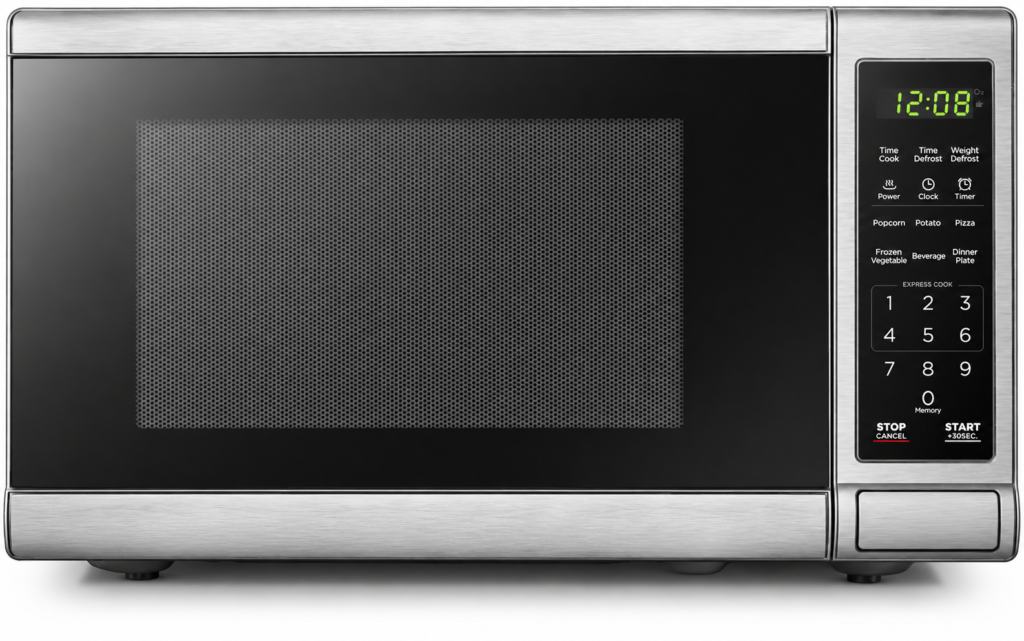
The BLACK+DECKER countertop microwave oven with 0.7 cubic foot capacity and 700 watts of cooking power occupies a specific position within the microwave market—a compact, budget-conscious option designed for straightforward reheating and basic cooking tasks. This article explores what this appliance actually does, what the specifications mean in practical terms, how this capacity and wattage compare to alternatives, and what kinds of cooking situations might make this particular model a reasonable choice.
Rather than making absolute claims about whether this represents an ideal selection for any particular person, we’ll examine what to realistically expect from the device, how to use it effectively, and whether its specifications suit your household’s needs and usage patterns.
The Countertop Microwave Category
Understanding countertop microwaves helps contextualize this specific model within the broader landscape of microwave options.
Microwave ovens operate on a fundamentally different principle than conventional ovens. Rather than heating air surrounding food, microwaves emit electromagnetic radiation that causes water and fat molecules within food to vibrate, generating heat from within the food itself. This approach heats food considerably faster than conventional ovens but has particular limitations and strengths depending on the food being prepared.
Countertop models represent the most straightforward microwave implementation. Unlike over-the-range microwaves that mount above stovetops or built-in models that integrate into cabinetry, countertop units remain portable and independent. You place them on a kitchen surface, plug them into an outlet, and they operate without permanent installation. This simplicity appeals to renters, people who move frequently, or those who prefer flexible kitchen configurations.
The tradeoff is that countertop microwaves occupy valuable counter space. For kitchens with limited surface area, this can be a significant consideration. Some people address this by placing microwaves on dedicated microwave stands with storage underneath, positioning them in cabinet spaces with the door removed, or storing them in pantries and only bringing them out when needed.
Understanding Microwave Specifications
The BLACK+DECKER model includes several key specifications that determine what the appliance can accomplish.
Capacity: 0.7 Cubic Feet
The 0.7 cubic foot interior capacity represents the volume of space available for placing food. To contextualize this measurement, cubic feet equals length times width times height of the interior cooking chamber. A 0.7 cubic foot capacity places this microwave in the compact to mid-range category.
Practically speaking, 0.7 cubic feet accommodates:
- Standard dinner plates and bowls
- Most plastic microwave containers and reheating dishes
- Smaller casserole dishes and baking-appropriate containers
- Most coffee mugs and drinking glasses
- Small to medium pizzas (though fitting depends on diameter and thickness)
- Popcorn bags (the single-serve variety)
What this capacity doesn’t easily accommodate:
- Large roasting pans or baking sheets
- Family-size casserole dishes
- Very large platters or serving dishes
- Multiple dinner plates stacked simultaneously
- Oversized or bulky containers
This capacity range makes the microwave well-suited for individual or couple households, or as a secondary microwave in homes where another larger unit handles bulk reheating. Families with multiple children might find 0.7 cubic feet constraining if everyone wants to reheat different dishes simultaneously.
For context, compact microwaves typically range from 0.5-0.9 cubic feet, mid-size models span 0.9-1.2 cubic feet, and larger capacity microwaves exceed 1.2 cubic feet. The BLACK+DECKER falls toward the middle of the compact range, offering more space than the smallest portable models but less than mid-size alternatives.
Power: 700 Watts
The 700-watt specification indicates the electromagnetic radiation power the microwave generates during operation. Power, measured in watts, determines heating speed and efficiency. Higher wattage means faster cooking, while lower wattage requires extended cooking times to achieve the same results.
To contextualize 700 watts within microwave options:
- Entry-level/budget microwaves: 600-700 watts
- Mid-range microwaves: 800-1000 watts
- Higher-end microwaves: 1000-1200+ watts
The 700-watt classification places the BLACK+DECKER at the lower end of the conventional microwave range. This has both practical implications and limitations to understand clearly.
What 700 watts handles adequately:
- Reheating individual portions of food
- Melting butter, chocolate, or small quantities of other substances
- Warming beverages like coffee or tea
- Cooking frozen vegetables in small quantities
- Defrosting small to medium-sized food items (though defrosting is generally better accomplished in a refrigerator over time)
- Heating water for instant beverages or cooking purposes
- Basic reheating of leftover meals
- Popping single-serve bags of microwave popcorn
What 700 watts struggles with or cannot accomplish:
- Cooking large frozen meals quickly
- Bulk reheating for multiple family members simultaneously
- Cooking fresh vegetables thoroughly in a short timeframe
- Achieving certain textures and results in cooking applications (like crisping foods with a crisper function, which requires higher power)
- Cooking fresh raw meats or substantial protein portions
- Some specialty cooking tasks that benefit from higher power
- Quick preparation of larger quantity dishes
The power limitation matters most for people who expect to use the microwave for more than basic reheating. If you plan regular cooking beyond warming up pre-prepared foods, higher-wattage models typically accomplish tasks faster and more effectively.
Interior Construction: Stainless Steel
The interior chamber construction material affects durability, cleaning ease, and appearance. Stainless steel interiors offer several advantages compared to alternative materials.
Stainless steel resists rust, corrosion, and staining from food splatters and spills. Unlike painted interior surfaces that can chip, flake, or stain permanently, stainless steel can be wiped clean and typically doesn’t retain discoloration from food residue. This durability and cleanability have made stainless steel increasingly common in residential microwave design.
The stainless steel exterior finish also contributes to the appliance’s appearance and durability. Stainless steel resists fingerprints more effectively than painted surfaces, though it still shows water spots and requires occasional cleaning to maintain appearance. The finish integrates visually with many modern kitchen designs, pairing well with stainless steel refrigerators, dishwashers, and other appliances.
The stainless steel construction doesn’t fundamentally affect cooking performance—the microwave’s ability to heat food depends on the radiation generation and the interior chamber design rather than the material composition. However, durability and maintenance considerations become relevant for long-term satisfaction with any appliance.
Additional Control and Feature Considerations
Beyond capacity and wattage, microwave functionality depends on control interfaces and available features. The BLACK+DECKER model likely includes:
Basic Operating Controls: Push buttons or a simple dial-based interface for time setting and power level adjustment. Most straightforward microwaves use these simple mechanical or basic electronic controls.
Power Level Settings: The ability to operate at reduced power rather than always using full wattage. This proves useful for gentle heating of delicate items, slow defrosting, or preventing overheating of certain foods. Full 700-watt operation delivers all power at once; reduced levels might operate at 50%, 30%, or other percentages of full power.
Timer Function: The ability to set specific cooking durations, with the microwave stopping automatically when the timer expires. Most microwaves beep or alert when cooking completes.
Defrost Setting: Some microwaves include a dedicated defrost function that cycles power on and off to gently thaw frozen foods without cooking the exterior while the interior remains frozen. This function is useful but somewhat limited in modern refrigeration practices, as thawing in the refrigerator overnight remains the preferred method.
Basic Presets: Some models include preset buttons for common tasks like popcorn, beverages, or specific food types. These presets save programming steps for frequently used functions, though they’re not essential for basic microwave operation.
The BLACK+DECKER’s specific feature set varies slightly depending on the exact model variant, but budget-oriented microwaves typically emphasize simplicity over extensive feature lists. For straightforward reheating and basic cooking, extensive features aren’t necessary.
How Countertop Microwaves Function in Daily Use
Understanding typical microwave usage patterns clarifies how this appliance integrates into household routines.
Reheating Prepared Foods and Leftovers
The primary microwave use case in most households involves reheating food. Leftover dinner components, pre-prepared meals, or restaurant takeout containers all reheat quickly in a microwave compared to conventional ovens. The 0.7 cubic foot capacity handles standard dinner portions—a plate of pasta, a container of rice and vegetables, or a bowl of soup.
The 700-watt power generates sufficient heat to warm typical portions from refrigerator temperature to eating temperature in 2-4 minutes, depending on the food type and quantity. This represents a significant time savings compared to stovetop reheating or conventional oven warming.
The reheating process typically involves placing food in a microwave-safe container, setting a time (often estimating 1-2 minutes for standard portions, then checking for doneness), and allowing the microwave to complete. Denser foods like casseroles heat slower than lighter items like beverages or soups.
Beverage Warming
Warming coffee, tea, water, or other beverages represents another common microwave application. A standard mug of cold beverage typically reaches hot drinking temperature in 1-2 minutes at full power. The microwave heats the liquid directly through molecular motion rather than heating air like a stovetop kettle, making it efficient for this purpose.
Quick Vegetable Cooking
Fresh or frozen vegetables in small quantities cook in the microwave by a combination of moisture and radiant heat. Broccoli, carrots, green beans, or other vegetables with a small amount of added water cook through in 3-5 minutes, far faster than stovetop cooking. The 700-watt power handles small vegetable portions adequately, though bulk vegetable cooking might progress slowly.
This approach suits quick weekday meal preparation where a vegetable side dish is needed without significant preparation time.
Melting Butter, Chocolate, and Other Substances
The microwave’s precise heating ability works well for melting ingredients in controlled ways. Butter, chocolate, cheese, or other meltable items placed in a bowl heat gradually, allowing careful melting without scorching. This application uses the microwave’s strengths in gentle, controlled heating.
Defrosting Small Items
While defrosting in the refrigerator overnight remains preferred for safety and quality reasons, the microwave’s defrost cycle allows faster thawing when necessary. Small portions—a chicken breast, a handful of shrimp, or a small quantity of ground meat—can defrost in the microwave in 10-15 minutes, dramatically faster than other methods.
The defrost cycle cycles power on and off, attempting to thaw without cooking the exterior while the interior remains frozen. The 700-watt power defrost function works for small items, though larger frozen portions might not thaw evenly.
Popcorn Preparation
Microwave popcorn bags represent a convenient snack option. The bag contains kernels with oil and seasonings; microwave heating causes steam buildup that pops the kernels. Single-serve microwave popcorn bags fit within the 0.7 cubic foot capacity and pop to completion in 2-3 minutes.
Some people prefer using a microwave popcorn popper container with regular kernels and oil rather than purchasing packaged bags, though both approaches function within this microwave’s capability.
Cooking Small Quantity Dishes
While not the primary use case, the microwave can cook small quantity dishes—a serving of pasta, a small portion of rice, a single-serving casserole. These applications require longer cooking times than reheating, but the capability exists for straightforward preparations.
Who May Find This Countertop Microwave Appropriate
Understanding suitable use contexts helps clarify whether this specific model aligns with your household.
Individual People Living Alone: Single occupants needing to reheat individual meals find the 0.7 cubic foot capacity adequate. The compact size also works well in small apartments or studios with limited counter space.
Couples Without Children: Two-person households reheating individual meals or small portions find this capacity suitable. The slower 700-watt power is less problematic when heating one or two items per cycle.
Secondary Microwave in Larger Households: Homes with an existing primary microwave might use the BLACK+DECKER as a supplementary unit—perhaps in a garage, office area, or secondary kitchen space. This reduces counter congestion in the main kitchen while maintaining convenient microwave access elsewhere.
Rental Situations: Renters who prefer not installing built-in appliances appreciate countertop models’ portability. If the unit remains with the renter through moves, it’s a personal asset rather than landlord property.
Dorm Rooms and Student Housing: Students in dorm rooms or shared student housing often find compact microwave access valuable for quick meals, beverage heating, and late-night snack preparation. The compact size fits limited dorm counter space.
Office or Workplace Kitchens: Small offices or workplaces with limited microwave needs might use compact models for employee meal reheating. The 700-watt power handles typical office lunch reheating adequately.
Supplementary Kitchen Spaces: Vacation homes, cabins, or secondary properties benefit from having a microwave without investing in larger models. Compact microwaves suit seasonal-use or occasional-occupancy spaces.
Budget-Conscious Households: People prioritizing affordability over extended features or maximum capacity appreciate the BLACK+DECKER’s pricing approach. The device accomplishes basic microwave functions without premium-feature costs.
People with Limited Counter Space: Those with kitchens where counter space is at a premium value the 0.7 cubic foot footprint. The compact size allows microwave access without sacrificing extensive counter area.
Important Practical Considerations
Understanding realistic expectations and limitations prevents post-purchase disappointment.
Counter Space Allocation
Placing a microwave on a kitchen counter requires dedicating permanent or semi-permanent surface area to the appliance. For kitchens already short on counter space, this represents a genuine constraint. Some people address this through:
- Placing the microwave on a dedicated stand with storage shelving beneath
- Positioning it in an upper cabinet with the door removed
- Using a microwave cart with wheels for repositioning between uses
- Storing it in a pantry and removing when needed
Evaluating your specific counter configuration before purchasing helps avoid unpleasant surprises about where the microwave will actually fit.
Capacity Limitations During Multiple-Item Cooking
The 0.7 cubic foot capacity constrains simultaneous cooking of multiple items. A standard dinner plate fits readily; two stacked plates fit with some challenge; three plates become impractical. This limitation matters less for reheating single portions but becomes noticeable for families wanting to reheat multiple dish components simultaneously.
Workarounds include reheating items sequentially rather than simultaneously, accepting that everyone doesn’t eat at the exact moment their food is reheated, or using conventional ovens or stovetops for bulk reheating.
700-Watt Power Limitations
The 700-watt specification means slower cooking compared to higher-wattage models. A task that takes 3 minutes in an 1100-watt microwave might take 5 minutes in this 700-watt unit. Over time, this cumulative time difference becomes noticeable if you use the microwave frequently for non-reheating purposes.
However, for the primary microwave use case—reheating meals—the time difference rarely proves problematic. Most people don’t mind waiting 3-4 minutes for food to reheat.
Cleaning and Maintenance Requirements
The stainless steel interior resists staining better than painted alternatives, but it still requires occasional cleaning. Food splatters during microwave use accumulate; regular wiping prevents buildup. The stainless steel exterior attracts fingerprints and water spots, requiring occasional cleaning to maintain appearance.
The turntable (the rotating disc inside) may or may not be removable depending on the specific model, but regular cleaning prevents grease accumulation. Most modern microwaves don’t require extensive maintenance beyond occasional wipe-downs.
Electrical Requirements
The microwave requires a standard electrical outlet and adequate power supply. A dedicated outlet prevents overloading electrical circuits if multiple appliances run simultaneously. Extension cords are generally not recommended for microwave operation due to the power draw.
Microwave-Safe Container Necessity
Not all dishes and containers work safely in microwaves. Certain metals reflect microwaves and can cause arcing (electrical sparking). Some plastics leach chemicals when heated. Understanding container compatibility ensures safe, effective microwave use. Most households develop familiarity with appropriate microwave containers through experience, though manufacturer guidelines exist for reference.
Ventilation Considerations
Some countertop microwaves include ventilation features that redirect steam and cooking odors. Units without ventilation require adequate kitchen air circulation to prevent humidity and cooking odor accumulation. Opening a window or using a range hood helps manage this in kitchens with limited ventilation.
Noise During Operation
Microwave operation generates noise—the cooling fan, the magnetron (the component generating microwaves), and potentially mechanical beeping when cooking completes. Noise levels vary, but most people find typical microwave operation acceptable. Those sensitive to appliance noise should consider this factor.
Microwave Capacity Comparisons
Understanding how the 0.7 cubic foot capacity compares to alternatives provides perspective.
Compact Microwaves (0.5-0.7 cu.ft.): These entry-level models suit individuals, couples, or supplementary applications. The smaller capacity means limited simultaneous cooking but adequate for straightforward reheating. Budget-friendly pricing appeals to cost-conscious buyers.
Mid-Size Microwaves (0.9-1.2 cu.ft.): The next tier up offers meaningfully more capacity—room for larger plates, family-size dishes, and greater flexibility for simultaneous cooking. The capacity increase allows more ambitious cooking applications without significantly increasing price.
Large Capacity Microwaves (1.2+ cu.ft.): These models suit households with multiple people or those planning significant cooking beyond basic reheating. The increased capacity handles bulk applications but occupies more counter space and typically costs more.
Wattage Comparison: The 700-watt power places this unit in the budget-conscious category. The 800-1000 watt range offers noticeably faster cooking without substantially higher costs. Higher wattage (1100+ watts) provides maximum speed but costs more and sometimes generates more heat in compact form factors.
Frequently Asked Questions
What foods reheat well in this microwave?
Most foods reheat adequately in the BLACK+DECKER. Soups, stews, rice dishes, pasta dishes, vegetables, and leftover meats all reheat readily. Foods that don’t reheat well include those requiring crispy textures (like fried chicken or baked goods), items with delicate structures that dry out easily, and dishes that separate (like salad dressings) when reheated.
Can this microwave cook frozen dinners?
Yes, the microwave cooks frozen meals that come in microwave-safe containers. Individual frozen dinners fit readily in the 0.7 cubic foot capacity. Cooking time follows package directions, though 700 watts might require slightly longer cooking than package directions written for 1000+ watt microwaves.
How long does it take to reheat a typical meal?
A standard dinner plate of food reheats from refrigerator temperature to eating temperature in approximately 2-4 minutes at full power, depending on the food type, density, and quantity. Starting with an estimate and checking for doneness prevents overheating.
Can I cook raw meat or chicken in this microwave?
Technically yes, though microwave cooking of raw meat is not ideal. Microwaves heat unevenly, potentially leaving some areas undercooked while others overcook. For food safety, cooking raw meat on a stovetop or in a conventional oven is preferred. If you must microwave raw meat, use reduced power and check frequently for even cooking.
Does the 700-watt power significantly limit what I can do?
For reheating and basic cooking, 700 watts proves adequate. For frequent cooking of fresh foods, bulk reheating, or applications requiring fast heating, higher wattage would be more convenient. For straightforward usage like beverages, leftover reheating, and small vegetable cooking, the power limitation is minor.
Is the stainless steel interior durable?
Stainless steel resists corrosion, rust, and permanent staining much better than painted alternatives. The interior remains functional and relatively attractive through years of use. The exterior finish requires occasional cleaning to prevent fingerprints and water spots, but this is normal maintenance rather than durability concern.
What happens if I microwave metal containers?
Metal reflects microwave radiation and can cause arcing (visible electrical sparks). This is not dangerous but prevents cooking and can damage the microwave. Glass, ceramic, and microwave-safe plastic containers work properly. Some modern containers with minimal metal trim have proven safe through testing, but avoiding metal entirely remains the safest approach.
Can I defrost meat safely in this microwave?
The defrost function cycles power to thaw without cooking. Small portions (under 2 pounds) thaw reasonably safely; larger portions or whole birds are better thawed in the refrigerator. Defrosting in the microwave is faster than refrigerator thawing but less predictable in terms of even thawing and food safety.
How much electricity does this microwave use?
A 700-watt microwave consuming power continuously uses approximately 0.7 kWh per hour. Since most microwave use involves intermittent operation (cooking for 3-5 minutes, then stopping), actual energy consumption is much lower. A typical microwave using 30 minutes of cooking time per week consumes minimal electricity compared to appliances running continuously.
Is the microwave noisy?
Microwave noise levels vary, but most people find typical operation acceptable. The cooling fan, magnetron, and mechanical components generate sound during operation. Those particularly sensitive to appliance noise should listen to the specific model if possible before purchasing.
Can I use this microwave with a timer to auto-start cooking later?
Most basic microwaves, including budget models like the BLACK+DECKER, require manual start. You cannot set it to begin cooking at a delayed time. More expensive models sometimes include this feature, but simple countertop models typically don’t.
What size pizza fits in this microwave?
A 0.7 cubic foot interior accommodates small to medium pizzas—approximately 10-11 inches in diameter, depending on thickness. Larger pizzas require portions to be cut or cooked sequentially. Pizza reheating in a microwave produces a softer crust compared to stovetop or oven reheating, but it works for quick warming.
Does this microwave have a turntable?
Most modern microwaves, including the BLACK+DECKER, include a rotating turntable that helps ensure even heating. The turntable rotates during cooking, moving food through the electromagnetic radiation more evenly than stationary placement would. The turntable can usually be removed for cleaning.
Conclusion
The BLACK+DECKER countertop microwave with 0.7 cubic foot capacity and 700 watts represents a straightforward, budget-conscious approach to microwave cooking. The specifications don’t accommodate bulk cooking or extended cooking applications, but they prove adequate for the primary microwave use case—reheating individual meals and preparing quick side dishes.
The 0.7 cubic foot capacity suits individuals, couples, and secondary microwave applications well. The compact footprint respects kitchen counter space concerns while maintaining reasonable cooking area for standard cooking containers and plates. The 700-watt power generates sufficient heat for typical reheating tasks within reasonable timeframes, though bulk or frequent cooking applications might benefit from higher wattage alternatives.
The stainless steel interior construction resists corrosion and staining, contributing to durability and ease of maintenance throughout the appliance’s lifespan. The integration of stainless steel exterior finish aligns visually with modern kitchen aesthetics and many existing kitchen appliances.
This microwave serves practical purposes for people with straightforward microwave needs, limited counter space, budget constraints, or those seeking a supplementary microwave in homes with existing units. It’s less appropriate for households expecting significant cooking beyond basic reheating, families requiring bulk reheating capacity, or people wanting maximum speed in food preparation.
Understanding realistic expectations—that this is a competent reheating tool rather than a versatile cooking appliance, that the compact capacity limits simultaneous cooking, and that 700 watts means slower operation than higher-wattage alternatives—prevents disappointment and ensures the device serves its appropriate purpose effectively.
Whether this specific model addresses your household’s microwave needs depends on your typical usage patterns, your available counter space, your budget considerations, and whether the capacity and power align with your actual anticipated cooking and reheating tasks.
For those interested in exploring this specific model further, evaluating your kitchen’s actual counter space, honestly assessing your typical microwave usage patterns, and comparing specifications with mid-size alternatives can help inform whether this compact, budget-conscious approach suits your situation.
